

Making room for deliveries
Before the first home dialysis delivery arrives, it helps to decide exactly where each carton, shelf and support item will go. This guide covers simple room planning steps so your household can receive scheduled drop-offs with less stress and less last minute shifting.
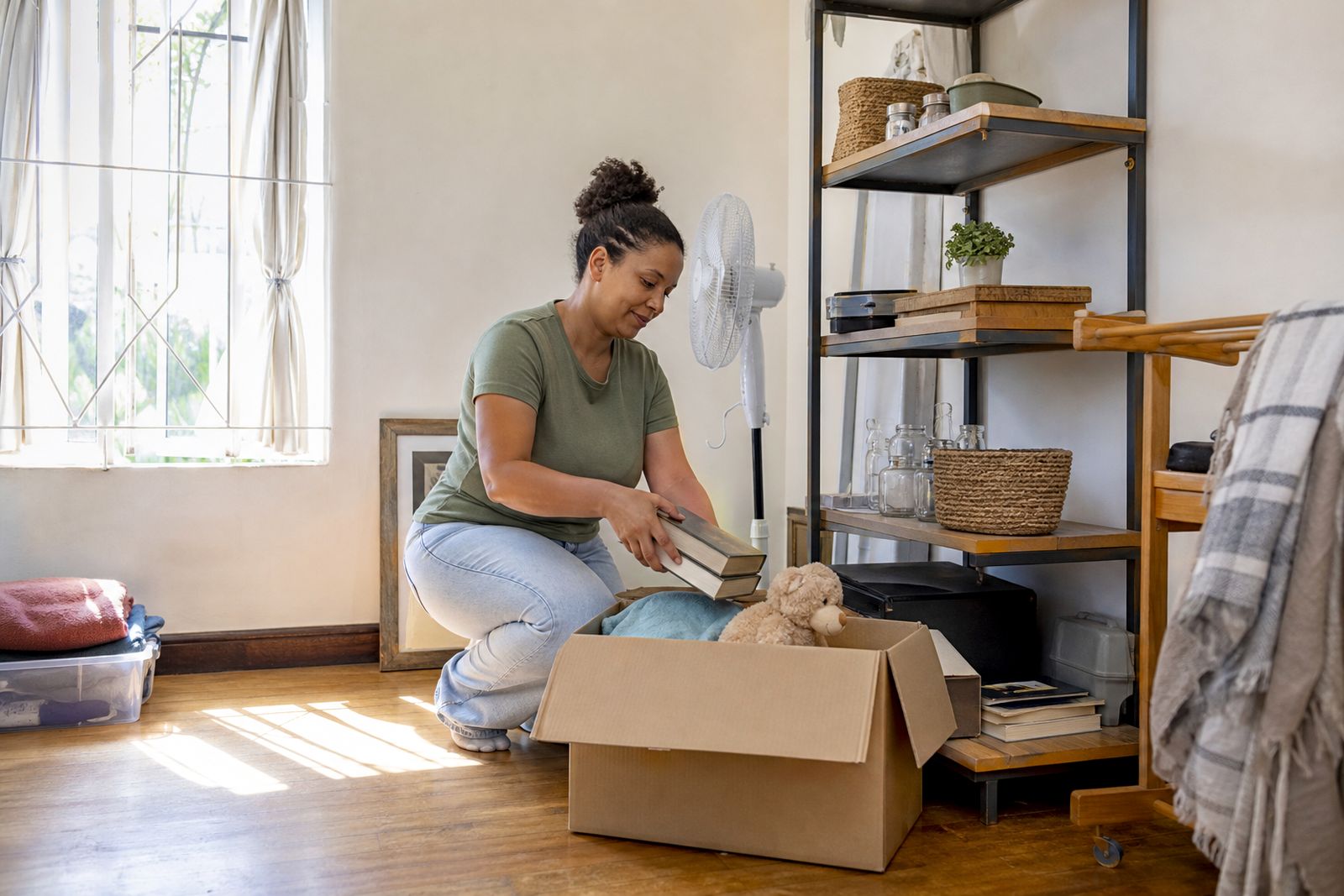
Start with one dedicated storage area
The easiest homes to deliver to are the ones with one clear, agreed storage area. That could be a spare room, part of a garage, a passage alcove, a closed patio, or a section of a bedroom that stays dry and out of the way. The main point is consistency. If every delivery goes into the same place, the household can check items faster and keep boxes in order.
Try to avoid spreading cartons across the whole house. Boxes in the lounge, bathroom and passage tend to get moved, stacked badly or mixed with ordinary household goods. A single area also helps when your renal unit has arranged the next prescribed order and you need to see quickly what is still on hand.
- Choose a space that stays dry in summer storms and does not get damp in winter.
- Keep it away from dripping pipes, rising damp and windows that are often left open.
- Make sure children and pets cannot climb on or tear open cartons.
- Leave enough floor area for a new drop-off to be placed without blocking the whole room.
- Use the same spot each time so stock rotation is simpler.
Measure the room before ordering shelving
Do a quick measure before the first delivery, especially if you plan to add boltless shelving, a trolley, a recliner or scales. A few basic dimensions prevent awkward surprises on delivery day. Measure the wall width, room depth, door width and ceiling height. Also measure around light switches, skirting, windowsills and inward opening doors.
If the storage area is upstairs, check stair width and corners as well. Narrow passages and tight turns matter more than people expect. In many Gauteng homes the available area looks large enough, but once cupboards, washing machines or a freezer are taken into account the usable space is smaller than it seemed.
A simple sketch helps. Mark where shelves can stand, where cartons can be stacked temporarily, and where someone can still walk safely. Leave enough room to reach the back or side of the space without climbing over boxes, because that becomes a problem very quickly.
- Measure floor width and depth in metres.
- Measure the clear opening of the door, not only the door leaf.
- Check the height under shelves, bulkheads or low ceilings.
- Allow walking space for one person carrying a carton.
- Keep plug points and DB boards accessible.
Clear the floor and sort what can move out
Once you know which area you want to use, clear it properly. This usually means removing old storage tubs, unused gym gear, paint tins, broken chairs or seasonal items that have slowly taken over the room. If the household keeps saying it will sort that corner later, later usually becomes delivery day.
Work in three groups: keep, move, and throw away. Keep only what genuinely belongs in that room. Move anything that can live elsewhere. Throw away damaged packaging, loose paper and anything that attracts dust or insects. Sweep and wipe the floor before the first drop-off so cartons are not placed on grit, damp patches or old spills.
If the chosen room doubles as a laundry or spare room, decide in advance which side belongs to ordinary household storage and which side belongs to dialysis supplies. A taped floor line or a shelf label can help, and it stops well meaning family members from filling the free space again.
Plan for safe stacking and easy checking
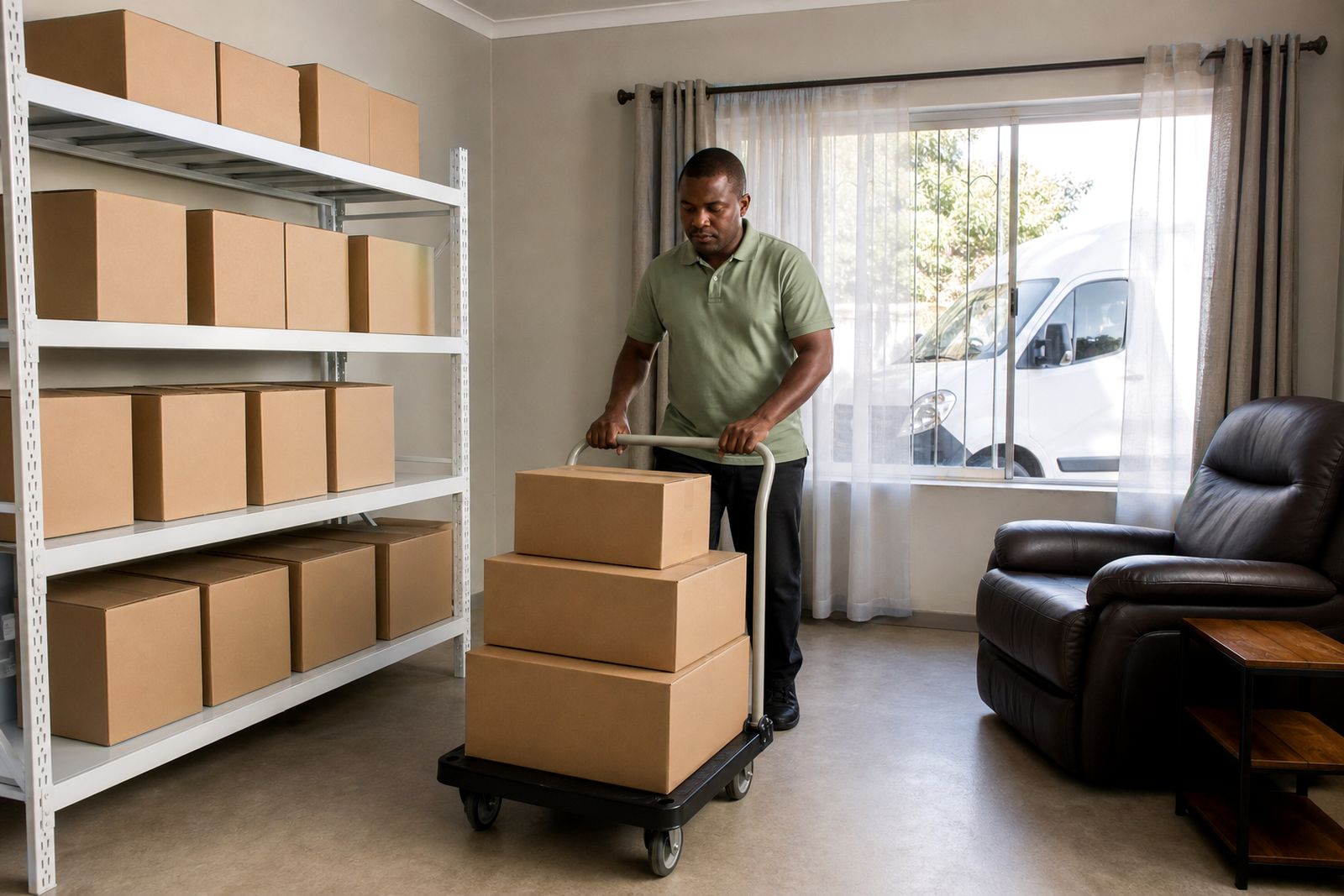
When a delivery arrives, it should be possible to place cartons neatly, check them against the paperwork from the patient’s renal unit, and rotate older stock forward where needed. That is much harder if boxes are stacked right up against the ceiling or squeezed behind furniture. Keep the arrangement simple.
Heavier cartons should usually go lower, with lighter items above. Leave a small gap from walls where possible, especially in rooms that get chilly or slightly damp after rain. In some parts of Gauteng, garages and outside rooms can gather dust quickly and floors may sweat a bit during weather changes, so keeping cartons directly off the floor is often helpful.
- Use shelving for smaller or lighter supply boxes where suitable.
- Keep the newest delivery separate until the household has checked it.
- Store bathroom or floor scales where they can be reached without moving cartons.
- Leave enough room for a trolley or chair to pass if one is part of the set-up.
- Do not block exits, windows or the route to the bathroom.
If load-shedding hits while you are receiving a delivery, a clutter free room is much easier to manage. You do not want to be using a phone torch while stepping around loose boxes and extension leads.
Think about access on delivery day
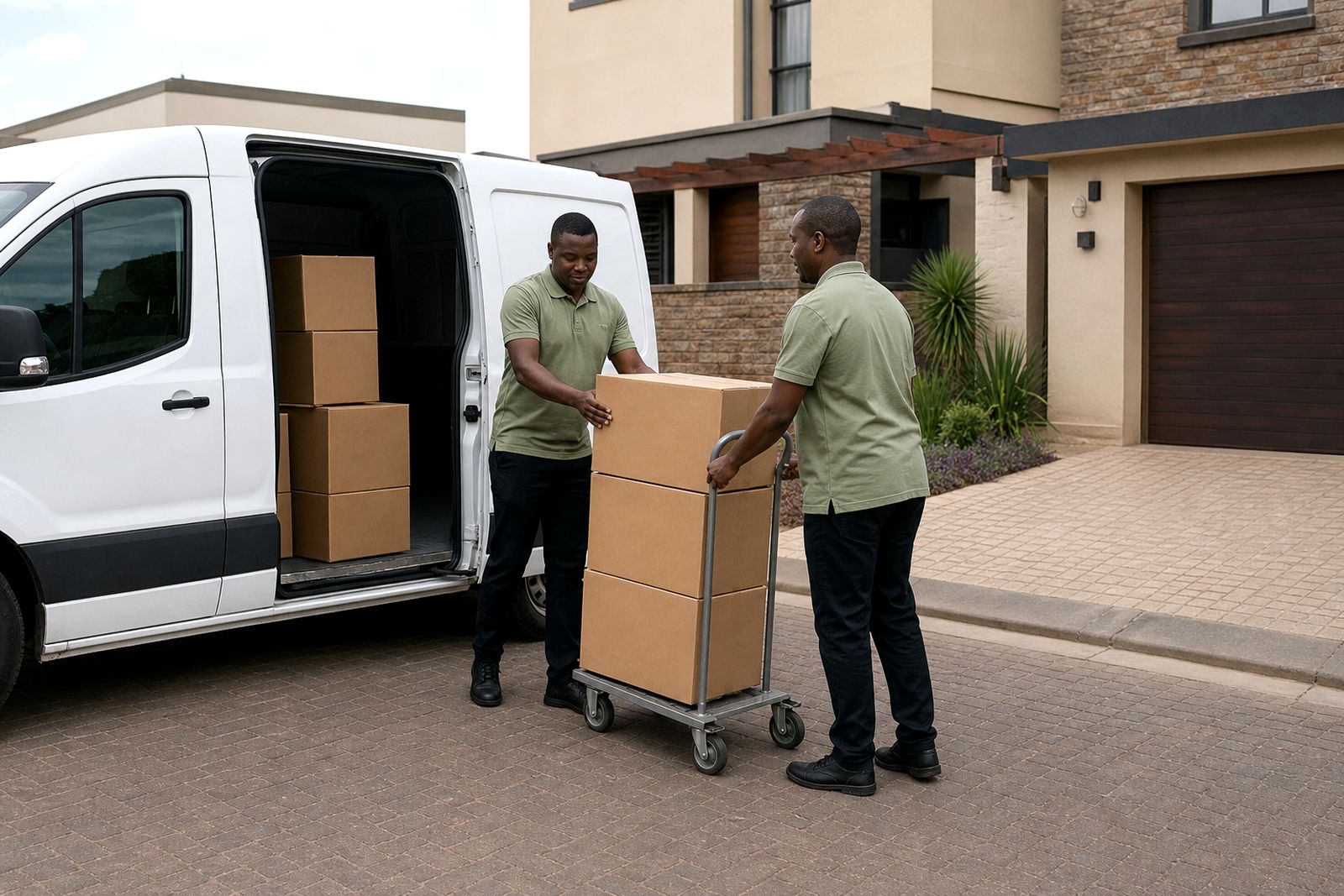
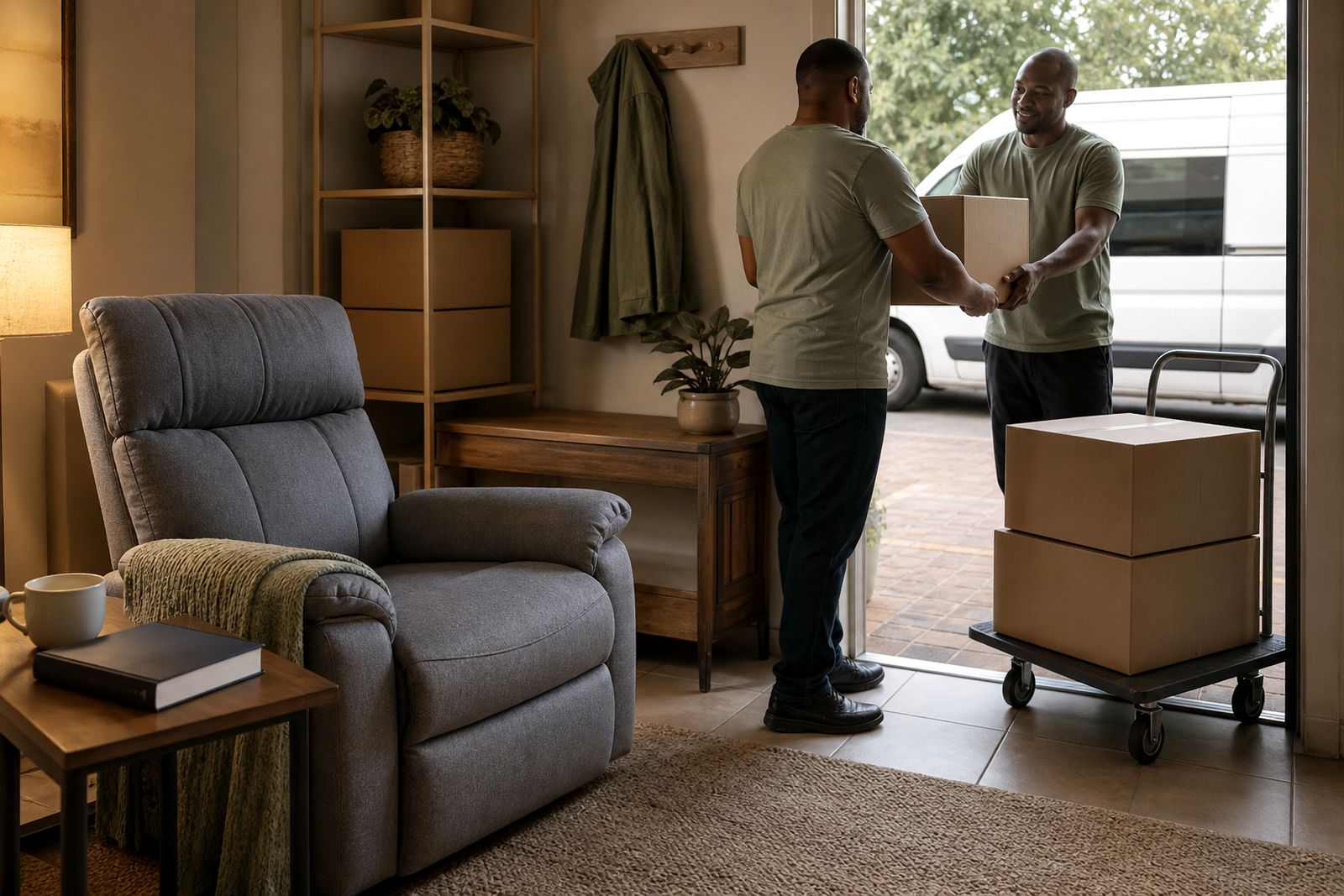
Making room is not only about the storage spot itself. The path from the gate or front door to that room matters just as much. Check the driveway, passage, stairs and internal doors. Move mats that curl up, small tables, plant stands and shoe racks that narrow the route. If there is a security gate, make sure it can open fully.
Households in townhouses, estates and flats should also think about access rules. Some complexes need advance notice for visitors, and some blocks have lifts that are smaller than expected. If the body corporate or managing agent has parking or loading rules, have that sorted before the first drop-off. It saves delays and avoids boxes being left in a less suitable spot while access is being arranged.
- Check that someone in the household knows where the delivery must go.
- Clear pets away during unloading.
- Make sure the entrance route has working lights if the weather turns dark.
- Unlock side gates and passage doors in advance.
- Keep the storage room key easy to find if it stays locked.
Keep a simple household checklist
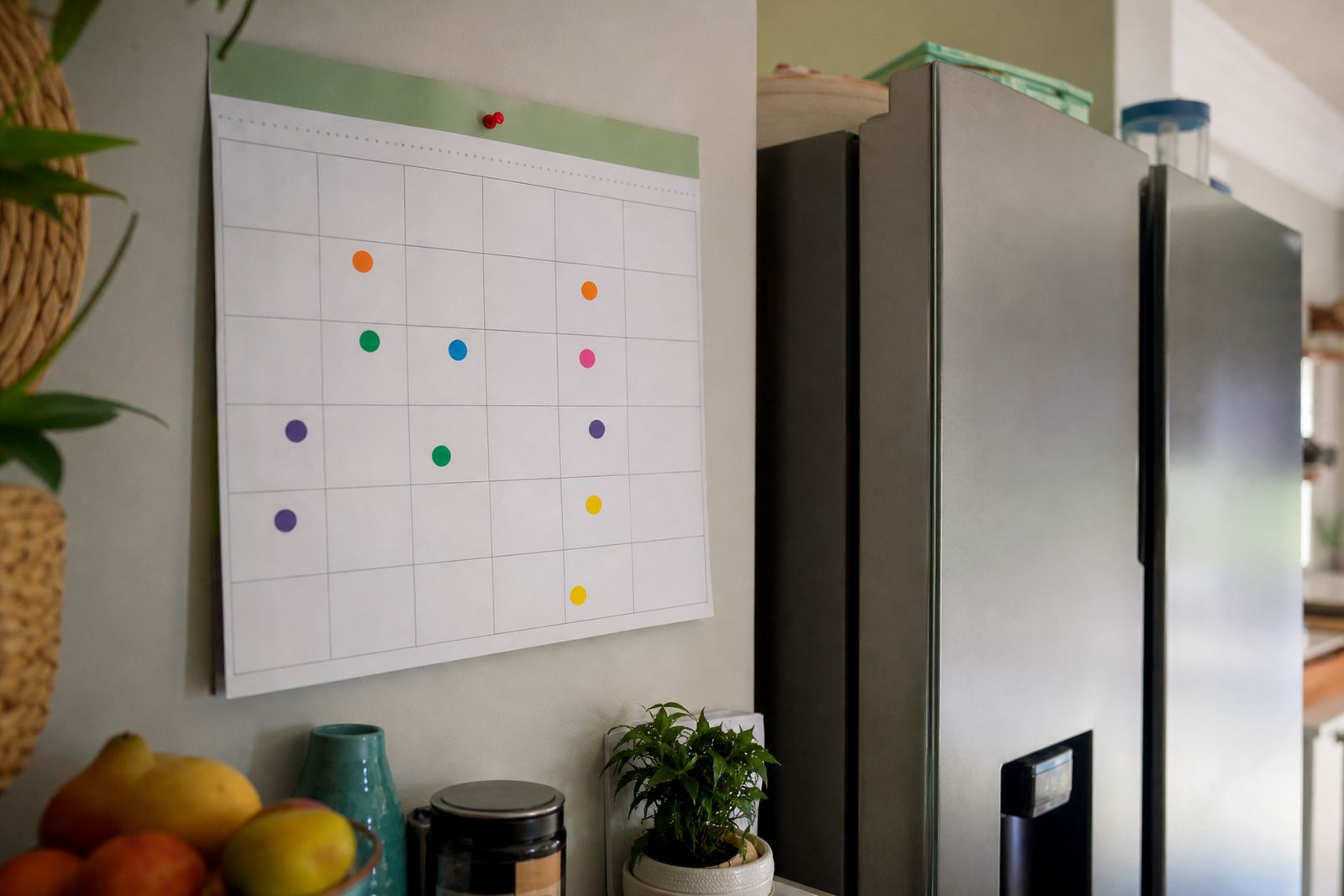
Once the room is ready, keep a short checklist on the wall, fridge or in a notebook. This is not for deciding what should be ordered. Your renal team handles the prescribed consumables and quantities. The household checklist is only to help the home stay organised before and after each scheduled drop-off.
A practical list might include whether the room is clear, whether shelves are still stable, whether the path is open, and whether there is space for the next delivery. If a family member has borrowed the spare room for visitors or piled laundry into the storage area, you can catch that early rather than on delivery day.
It also helps to note where support items live, such as the recliner, trolley or scales, so they do not drift into other rooms. A tidy routine keeps the household calmer and makes the next delivery easier to receive and check.
- Is the storage area dry and swept?
- Is there enough open floor space for incoming cartons?
- Are shelves steady and not overloaded?
- Is the route from the entrance clear?
- Are support items back in their usual place?
If you are unsure whether a room will work, send an enquiry through our contact page and we can help you think through shelving, room set-up items and general space planning for deliveries. We supply and deliver, but medical guidance must always come from the patient’s renal team.
What our Home Dialysis Deliveries customers say
Verified Google reviews
Questions we get asked
How much space should we keep open for a delivery?
Keep enough floor space for cartons to be placed neatly and checked without blocking the room entrance. The exact space depends on what the patient’s renal unit has ordered, so it helps to keep one area free rather than packing the room tightly.
Can supplies be stored in a garage?
A garage can work if it is dry, clean and protected from leaks, damp and heavy dust. It is better if cartons can be kept off the floor and away from tools, chemicals and household clutter.
Do you advise us on what supplies to keep at home?
No. Prescribed consumables are delivered only as ordered through the patient’s own renal unit. We can help with storage planning, shelving and room set-up items, but medical advice and supply decisions must come from the renal team.
Also worth a look
Set up your deliveries
Send a note through our contact form with your suburb and what you need for your home set-up, and we will explain how deliveries work with your renal unit.
Open the contact form