

Receiving and checking a delivery
When your scheduled delivery arrives, a quick check at the door helps prevent mix-ups and space problems later. We supply and deliver prescribed home-dialysis consumables as ordered through the patient own renal unit, plus practical household set-up items.
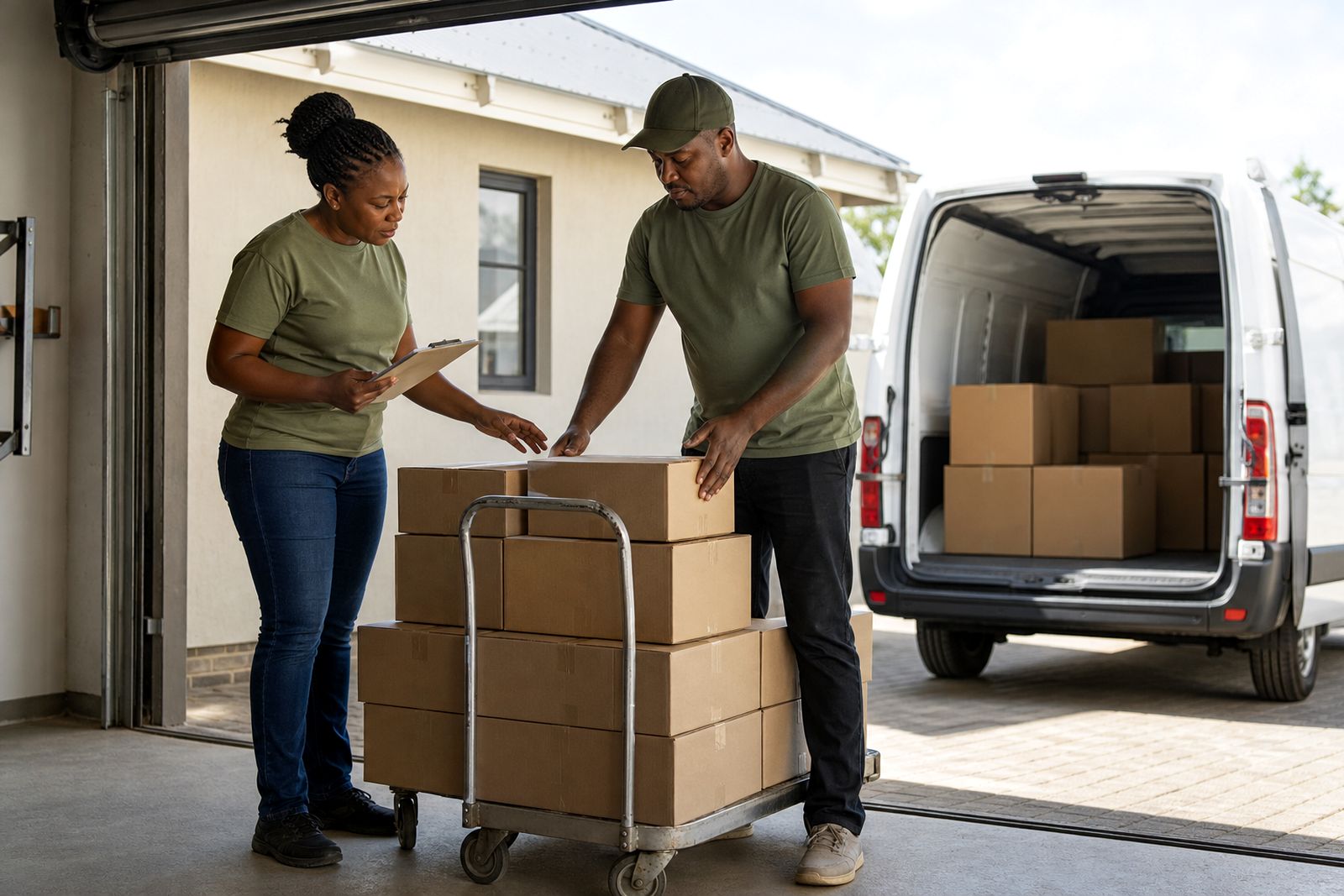
What this service includes
This page covers the handover stage of a scheduled home delivery and the checks to do before the driver leaves your property. Our role is to supply and deliver prescribed consumables that have been ordered through the patient own renal unit, and to bring related household items such as shelving, scales, recliners, trolleys and room set-up kits where these were arranged in advance.
We do not decide what a patient should receive, how much should be supplied or how dialysis should be managed at home. We do not provide medical care, medical training or treatment advice. For any question about therapy, changes in usage, or whether an item is correct for treatment, the household must follow the renal team instructions.
- Scheduled drop-off to the home address provided
- Reasonable unloading to the agreed handover point
- Delivery note or item list for checking
- Placement of non-medical household items where practical and safe
- Collection of a delivery confirmation once the handover is complete
What to check before the driver leaves
The most important checks are simple: the delivery is for the right household, the quantity matches the paperwork, the packs look dry and intact, and there is enough room to store everything safely. If something does not look right, raise it while the driver is still on site so the issue can be recorded straight away.
You do not need to open every carton. In most homes, an outer count and a condition check are enough at the door. If shelving or a trolley was also delivered, check that the size and quantity match what was arranged and that there is no transport damage.
- Check the patient name or household reference on the paperwork
- Count cartons, packs or units against the delivery note
- Look for wet boxes, crushed corners, torn wrapping or broken seals
- Confirm that the delivery area is dry, clean and off the floor where needed
- Check add-on items such as shelving, scales, recliners or trolleys
- Record any shortage, visible damage or incorrect item before signing
The handover process step by step
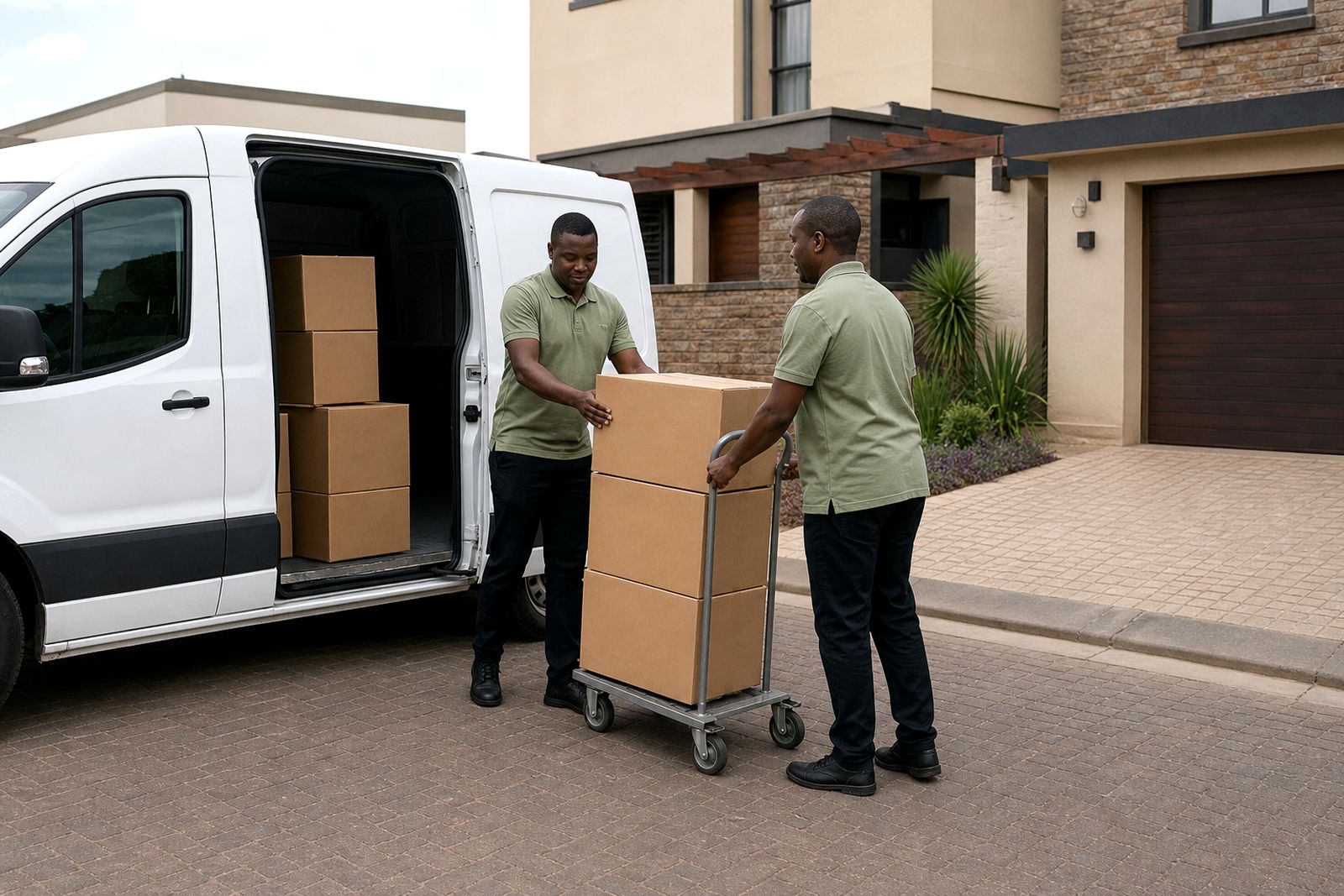
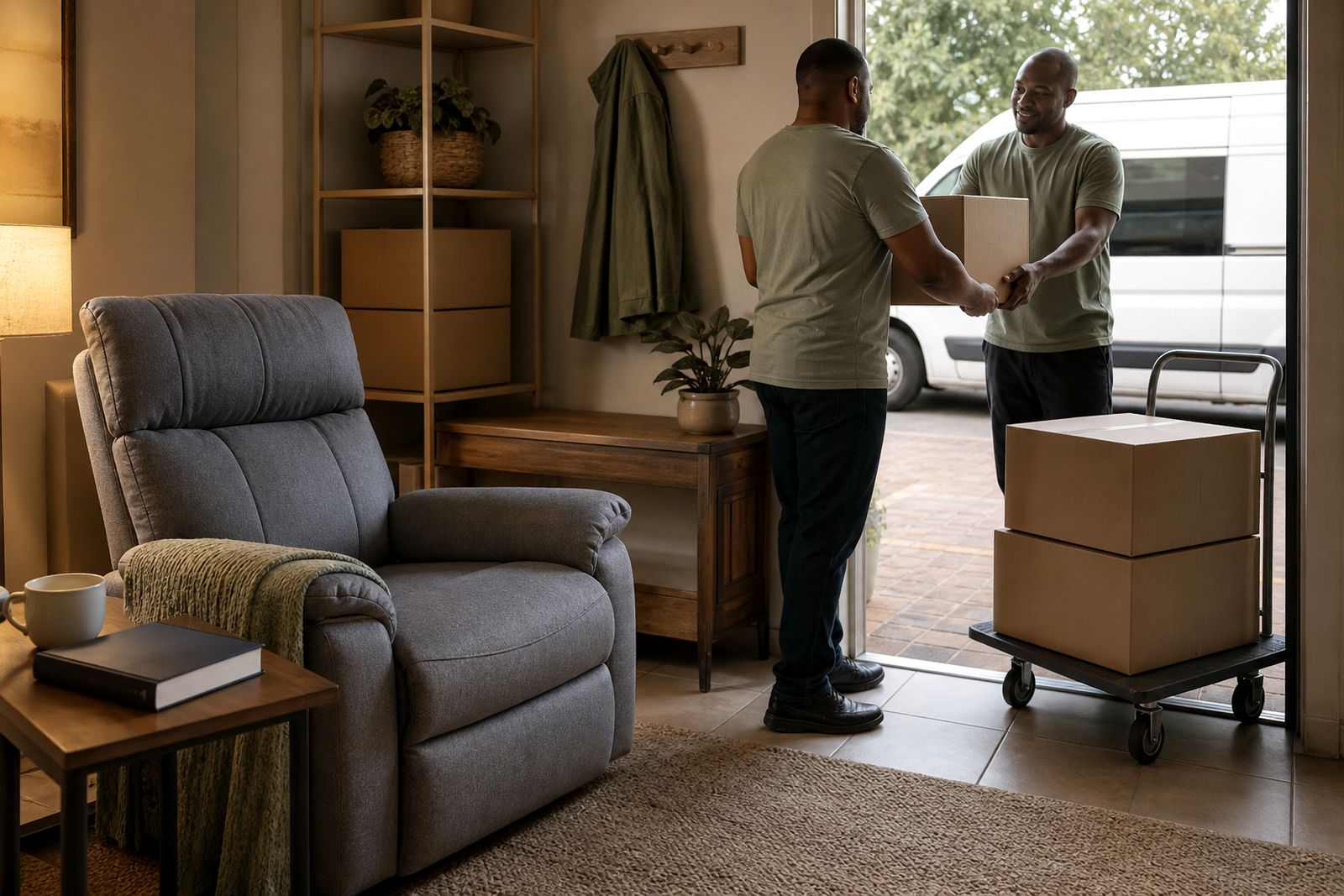
On arrival, the driver confirms the address and unloads the consignment to the agreed receiving point. In many Gauteng homes this is a garage, spare room, enclosed patio or a cleared section of a bedroom. If access is narrow, has stairs, or there is limited turning space at the gate, it helps to mention that in advance so unloading can be handled properly.
Next, the household representative checks the item list against what has been delivered. A quick carton count usually comes first, followed by a visible condition check. Where household support items form part of the drop-off, these are checked separately from prescribed consumables so there is a clear record of what was received.
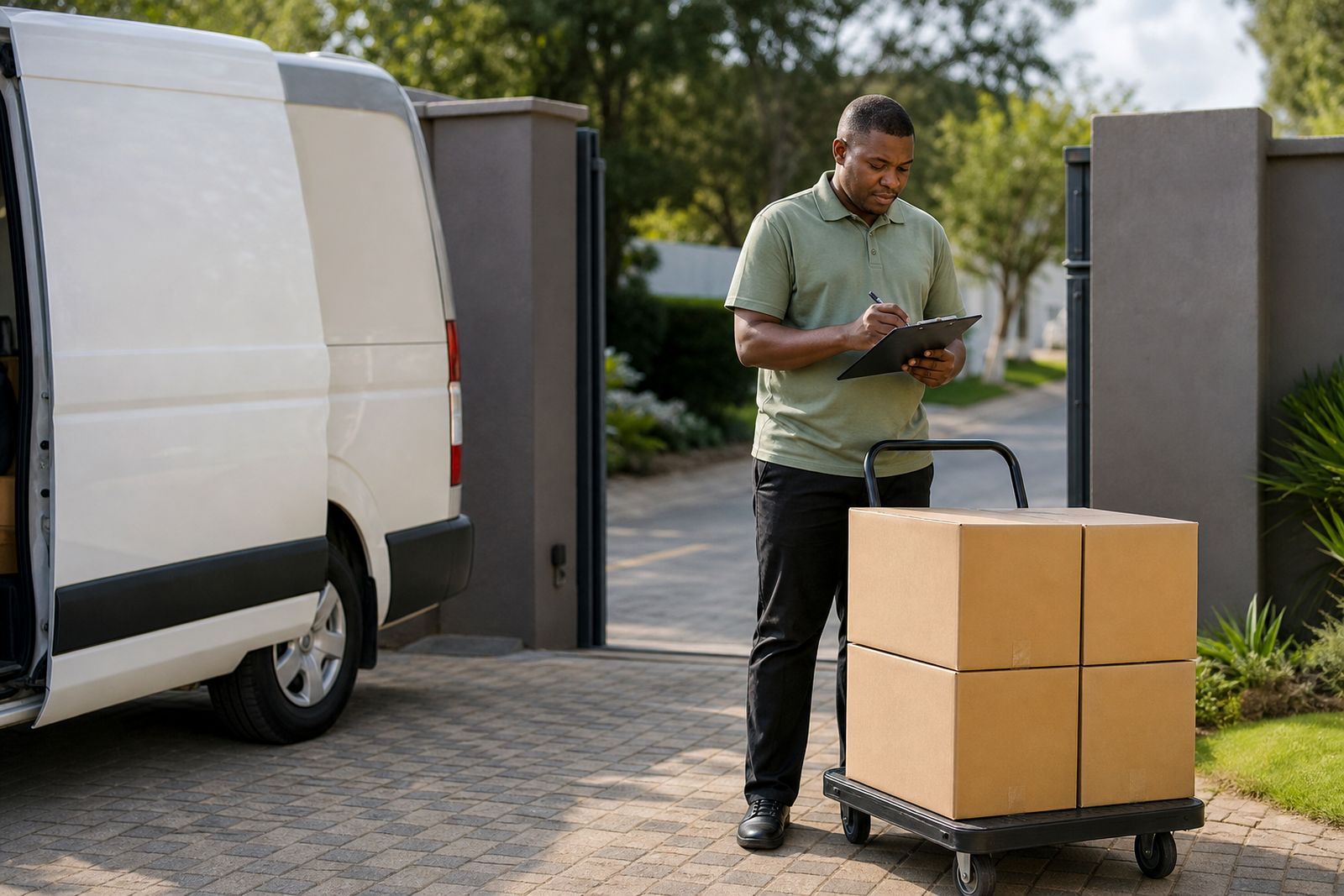
Once the check is complete, the delivery confirmation is signed. If there is a shortage, damage or an access problem that affected placement, it should be noted on the handover record there and then. That makes follow-up much easier later, and avoids confusion after boxes have been moved around the house.
What the household should prepare
A smooth delivery starts before the vehicle arrives. Clear enough floor space for the incoming stock and make sure someone responsible is available to receive it. If your building has estate rules, a security register or time limits for delivery vehicles, have that arranged beforehand. In parts of Johannesburg, Pretoria and the East Rand, security access can slow down offloading if the driver is not pre-cleared.
Storage space should be dry, level and away from leaks, direct weather and damp walls. In Gauteng summer storms, garages and outbuildings can take on moisture quickly, so cartons should not sit directly on bare concrete if the floor gets cold or damp. Good airflow helps, and heavier cartons should go low to reduce strain when moving stock.
- Clear a path from gate to receiving point
- Prepare enough room for the expected volume
- Keep pets and small children away from the unloading area
- Have the previous delivery note or household record nearby
- Use shelving or a trolley if stock rotation is part of your set-up
- Ensure lighting is adequate during load-shedding periods
Pricing in general terms
Charges are worked out according to what is being supplied and where it must be delivered. Prescribed consumables are delivered only against the renal unit order, while household items such as shelving, scales, recliners, trolleys and room set-up kits are priced according to the item type, size and delivery requirements.
Delivery cost can vary by area within Gauteng, access conditions and the amount of handling needed at the property. For example, ground-floor access with a short carrying distance is different from a townhouse with stairs or a complex with restricted loading bays. If a household asks us to supply storage equipment as part of the same delivery, that is usually listed separately from prescribed consumables for clarity.
We do not publish blanket figures on this page. The practical way to confirm scope is to send an enquiry through the contact page with your suburb, delivery setting and the items required, and we will outline the supply and delivery basis in plain terms.
Aftercare and follow-up
After the driver leaves, keep the delivery note in a consistent place and update your household record. Many families use a simple paper checklist or wall calendar to track expected drop-offs and stock placement. Rotating older stock to the front and keeping newer deliveries behind it can help the room stay orderly, especially where space is tight.
If you notice a delivery issue shortly after handover, contact us through the enquiry form on the contact page and refer to the delivery details. We can assist with supply and delivery follow-up, including visible transport damage noted at handover, missing non-medical household items, or questions about shelving and room layout. We cannot advise on treatment use or whether a prescribed consumable should be substituted, changed or used differently. Those points must always go back to the renal team.
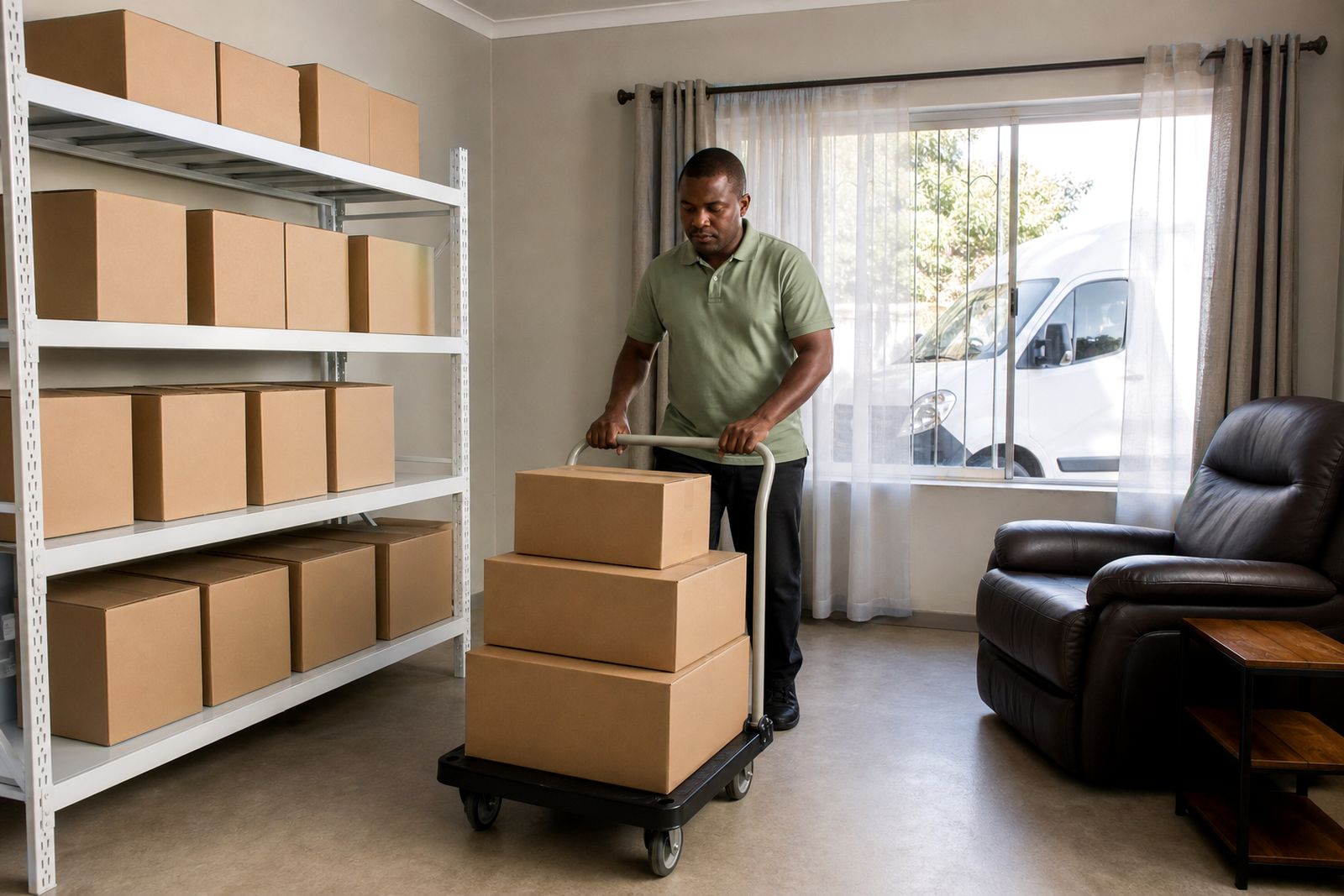
Where a household needs better storage after a few cycles of deliveries, we can also supply boltless shelving, stock rotation trolleys, scales, recliners and room set-up kits to make the space easier to manage. A small change in layout often makes future drop-offs quicker and tidier, even in a compact flat or townhouse.
What our Home Dialysis Deliveries customers say
Verified Google reviews
Questions we get asked
Should we open every box while the driver waits?
Usually not. A count against the delivery note and a visible check for wet, crushed or torn cartons is the normal first step. If something looks wrong, note it before sign-off and follow your renal team for any treatment-related concern.
Can the driver decide where and how much stock we should receive?
No. We deliver only what has been ordered through the patient own renal unit. We do not decide quantities, change prescribed supply, or give advice on what should be used.
What if our storage space is too small for the next delivery?
Send an enquiry through the contact page before the next drop-off. We can help with practical storage planning and supply shelving, trolleys or room set-up items to make the household space easier to manage.
Also worth a look
Set up your deliveries
Send a note through our contact form with your suburb and what you need for your home set-up, and we will explain how deliveries work with your renal unit.
Open the contact form