

How scheduled drop-offs work
Our scheduled drop-off service takes prescribed home-dialysis consumables from your renal unit order through to delivery at your home. We supply and deliver only, and your treatment plan, quantities and clinical guidance always stay with your renal team.
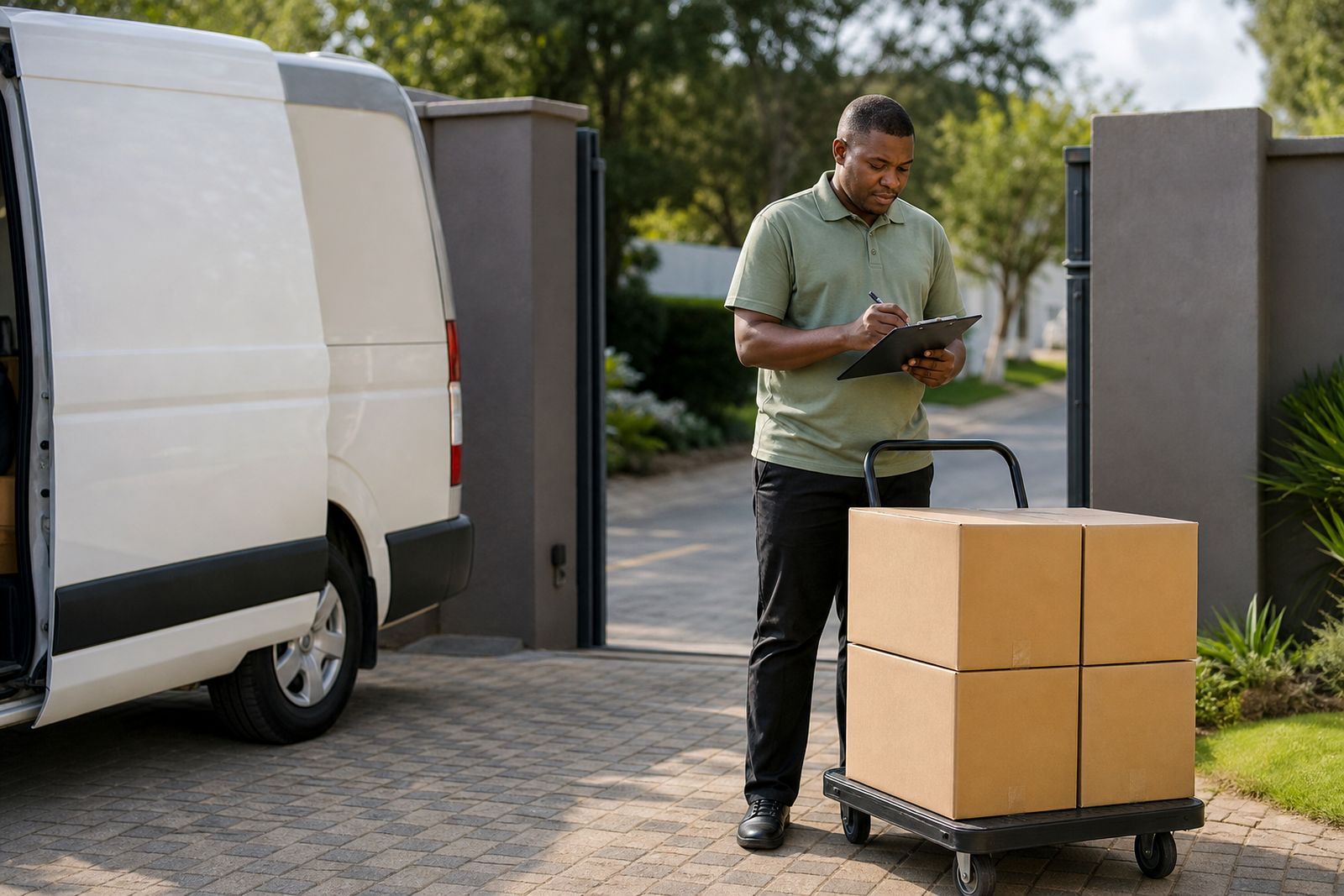
What the service includes
Scheduled drop-offs are arranged for households doing dialysis at home and needing prescribed consumables delivered on an ongoing basis. We work from the order placed through the patient’s own renal unit, then prepare the consignment for delivery to the home address supplied to us. We do not choose products, adjust quantities or advise on treatment. That remains the responsibility of the renal team.
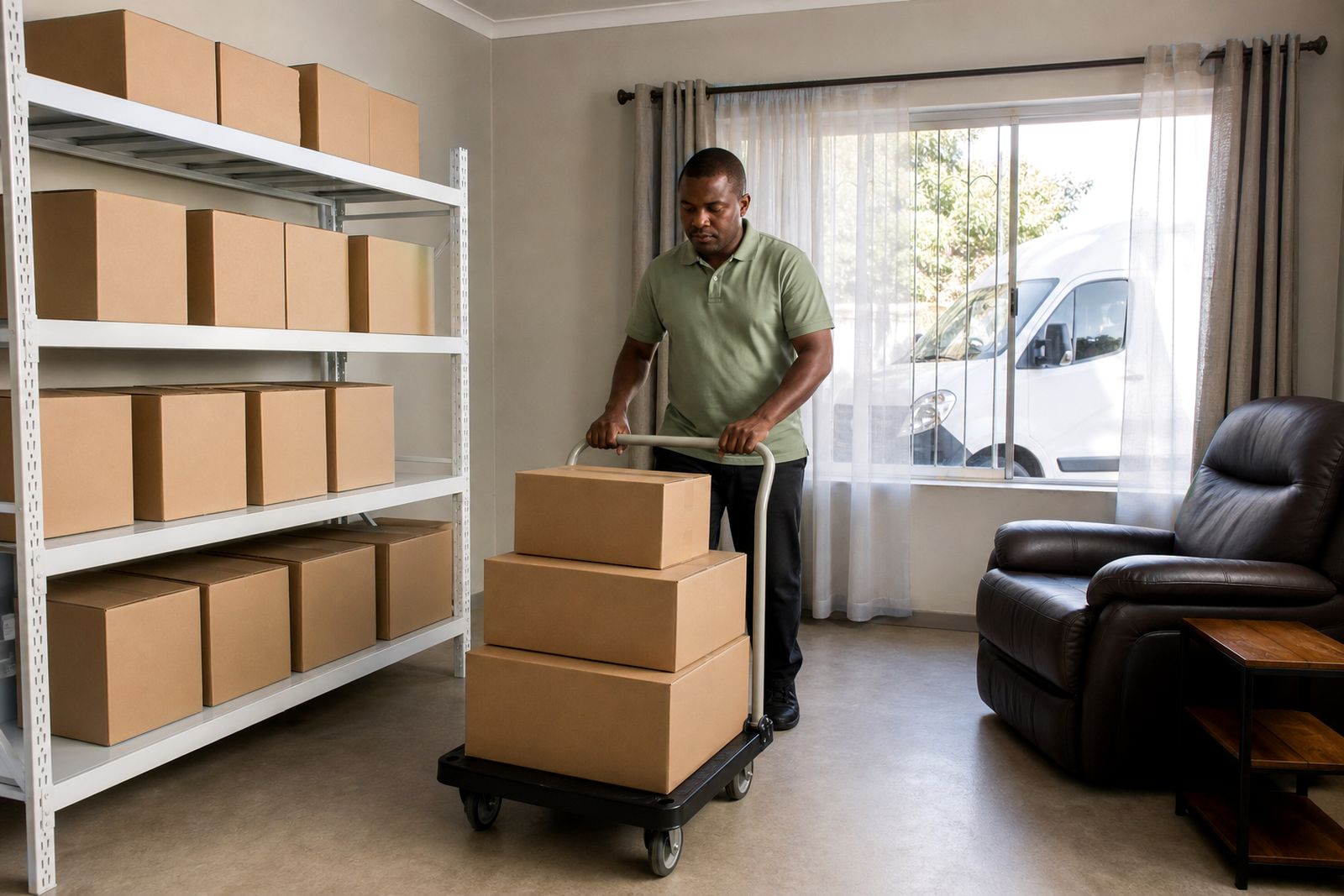
Alongside consumables, we can also supply practical home items that make receiving and storing deliveries easier. These include shelving, trolleys, recliner chairs, scales and room set-up kits for a dedicated area in the home. If needed, we can help the household think through space, access and where cartons will fit before the first drop-off arrives.
- Scheduled delivery of prescribed home-dialysis consumables as ordered through the renal unit
- Delivery to households across Gauteng including Midrand, Johannesburg, Pretoria, the East Rand and the West Rand
- Optional supply of storage shelving, stock rotation trolleys, scales, recliners and room set-up kits
- General household planning for storage space, access routes and receiving arrangements
From renal unit order to delivery booking
The process starts when the renal unit places or confirms the prescribed consumables order for the patient. We use that order as the basis for the delivery. Because the order comes from the clinical side, it tells us what needs to be supplied and forms the reference for the household delivery. If anything on the order needs checking, that check must go back through the renal unit rather than being changed at household level.
Once the order is ready for scheduling, we arrange the drop-off with the household. We confirm the delivery area, access details and a suitable receiving contact. Flats, estates and sectional title complexes often need extra gate instructions, and that is best shared early so the driver does not lose time at the entrance or block a narrow passage.
- Renal unit order received or confirmed
- Household delivery details checked
- Delivery route and address grouped into the Gauteng run
- Receiving contact and access notes logged
- Optional storage items added if requested separately
What happens on the day
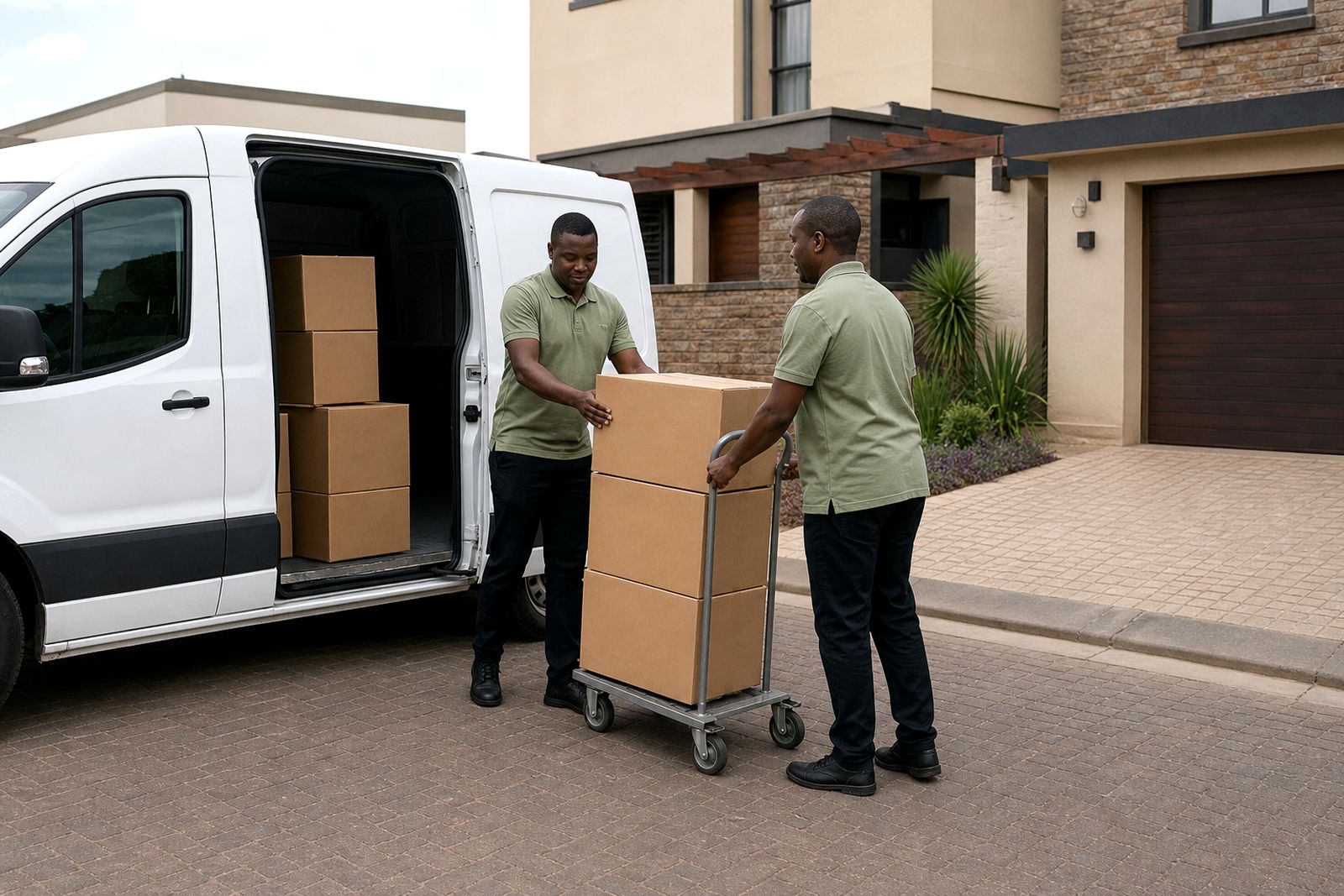
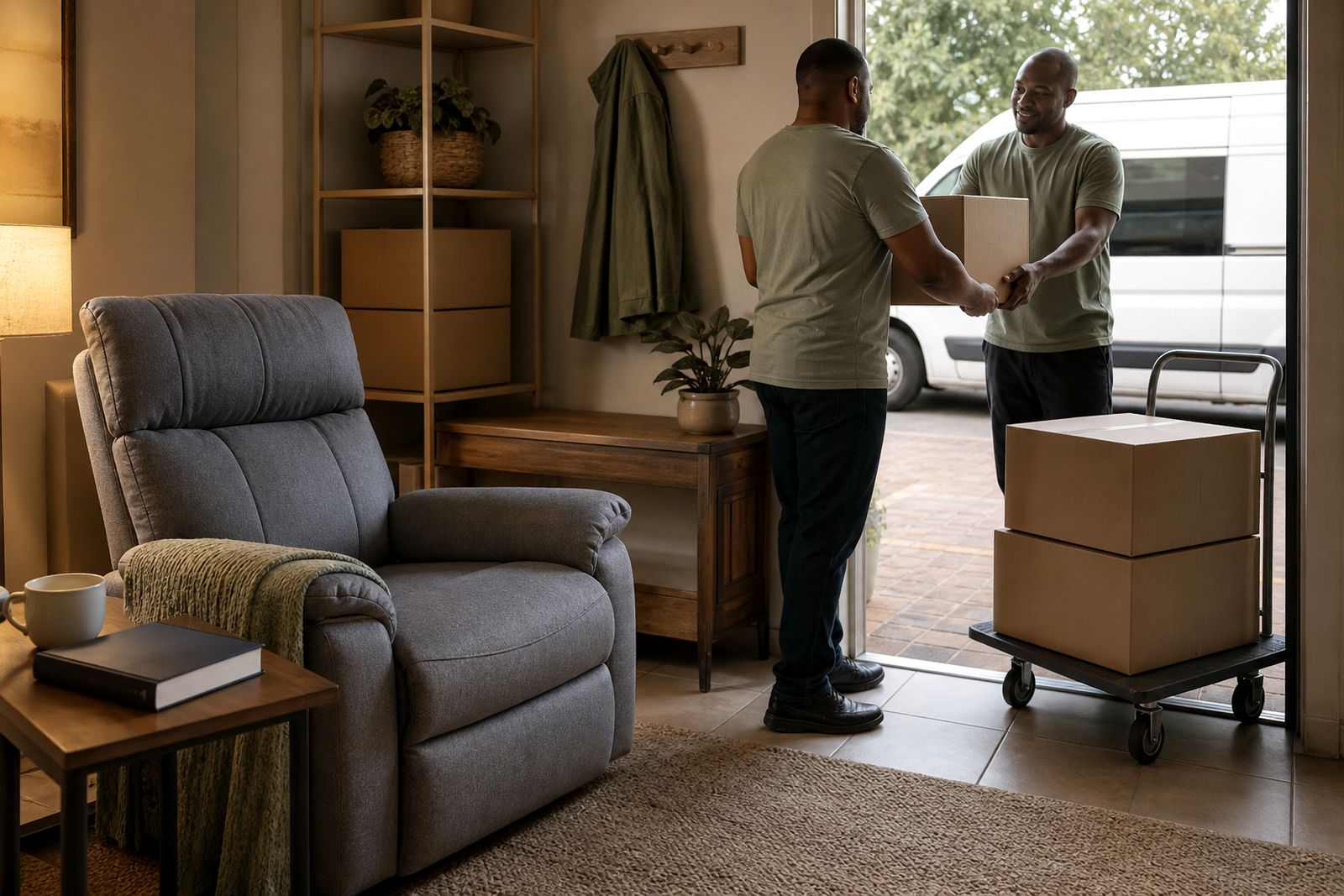
On delivery day, the consignment is brought to the home and handed over to the household contact. We deliver to houses, townhouses, complexes and apartments where access allows safe carrying of cartons and equipment. If there are stairs, tight passages or basement parking rules, tell us in advance so the load can be planned properly. This is especially useful in older buildings around central Johannesburg and parts of Pretoria where lifts may be small or unavailable during load-shedding.
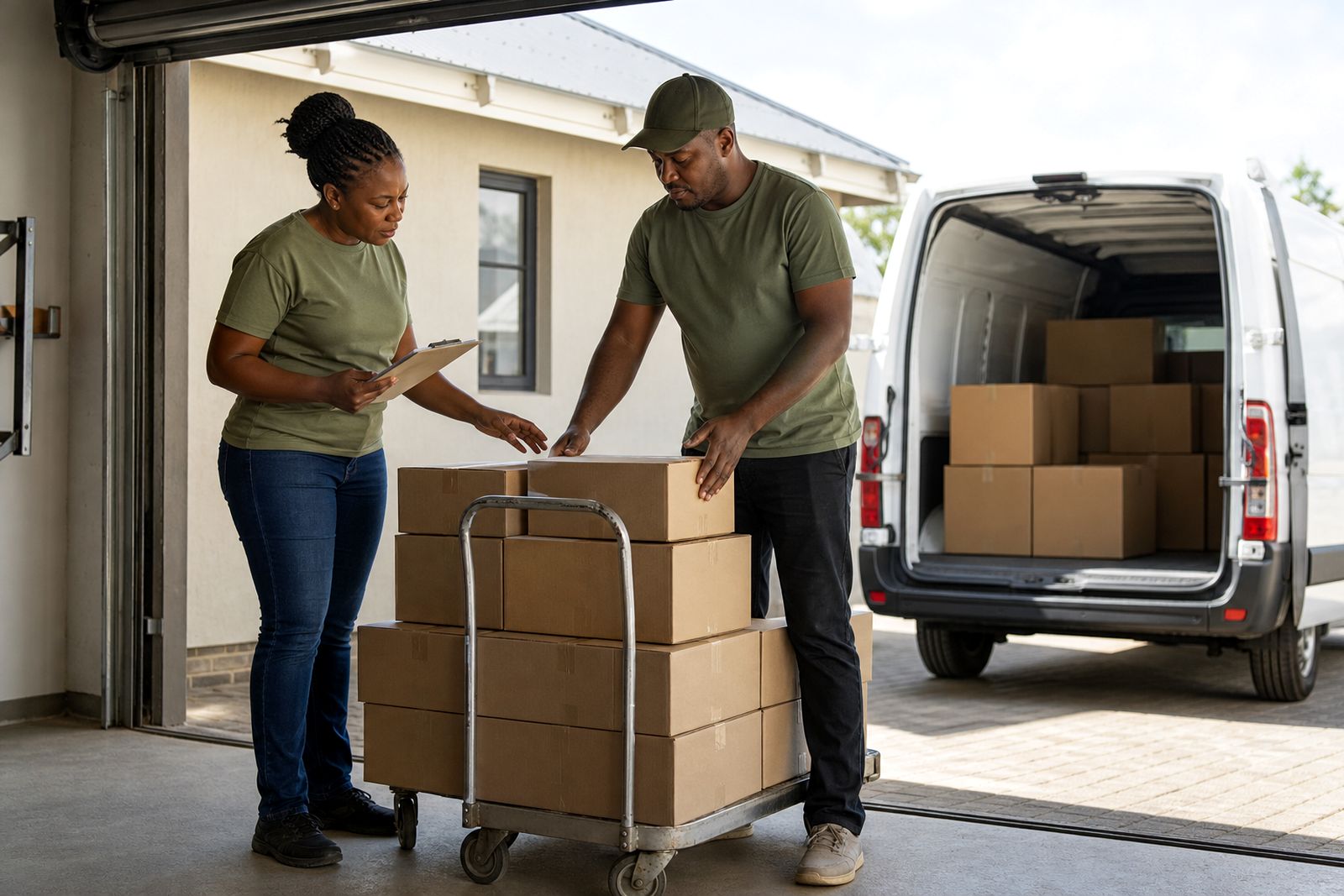
At the home, the driver places the delivery in the agreed receiving area where practical. The household should check that the number of cartons or items handed over matches the delivery note. Outer packaging should also be looked over for obvious transit damage before the driver leaves. A quick check at the door helps avoid confusion later, and makes the handover smoother.
We do not open sterile packs, handle patient treatment items in use or advise where clinical items must be positioned for treatment. Our role is delivery and household supply only.
What you should prepare before a drop-off
A little preparation makes recurring deliveries much easier, especially where households receive multiple cartons at a time. Choose a dry indoor area with a level floor and enough room to stack or shelve items safely. In Gauteng summers, garages can become very warm, and in some homes damp can build up along outside walls, so a spare room, passage store or enclosed utility area is often better if space allows.
Please keep the route from the entrance to the storage area clear on the day. Remove loose rugs if cartons are being moved over tiled floors, and make sure pets are secured. If the home is in a complex with visitor parking rules, loading bay limits or sign-in requirements, pass those details on beforehand.
- Clear a dry, clean receiving space indoors
- Measure the storage area if shelving or trolleys are being delivered too
- Keep walkways open from gate or parking area to the room
- Have the household contact available to receive and check the delivery
- Store according to the renal team’s instructions and the product labelling
How pricing is worked out
Pricing depends on what is being supplied and where it is going. Consumables are linked to the prescribed order received through the renal unit, while household items such as shelving, trolleys, scales and recliners are quoted according to the product required, delivery area and any access considerations. A ground-floor home with easy parking is different from a top-floor unit with restricted lift access, and that can affect the delivery side of the job.
If a household wants help with room set-up planning or wants shelving and other support items supplied with a delivery, that is handled as part of the overall scope. We keep pricing practical and based on the actual combination of goods, destination and handling needed. For a clear breakdown, send your request through the enquiry form on our contact page and include the suburb, building type and any access notes.
Aftercare and ongoing scheduling
After the handover, households should store items neatly, rotate stock by date where applicable and keep cartons off damp floors if possible. Boltless shelving or a trolley can help separate incoming cartons from current-use supplies, which makes the next delivery simpler. If something on the delivery note appears to differ from what was expected, raise it promptly so the paperwork can be checked against the renal unit order.
For future drop-offs, it helps to keep a simple home calendar with the expected delivery window and available receiving contact. Households doing this usually find the routine easier month to month, and it reduces last-minute issues with estates, security and parking. We can continue supplying and delivering on schedule, but clinical questions, treatment concerns and quantity changes must always go back to the renal team.
- Check delivery note against what was received
- Store items in a dry area with sensible stock rotation
- Keep future receiving arrangements up to date
- Send non-clinical delivery queries through the contact page
What our Home Dialysis Deliveries customers say
Verified Google reviews
Questions we get asked
Can I change the quantity of consumables with you directly?
No. Quantities and product selection must come through your own renal unit. We supply and deliver based on that order.
Do you bring the delivery inside the house?
Where access is safe and practical, we deliver to the agreed receiving area in the home. Please let us know about stairs, lifts, estate rules and parking restrictions beforehand.
Do you give advice on storage for dialysis supplies?
We can help with general household planning for space, shelving and access, but clinical storage instructions must be followed exactly as given by your renal team and on the product labelling.
Also worth a look
Set up your deliveries
Send a note through our contact form with your suburb and what you need for your home set-up, and we will explain how deliveries work with your renal unit.
Open the contact form