

Recliner chairs
Our recliner chairs are supplied for households that need a supportive seat for long sitting during home treatment routines. We deliver across Gauteng and help you choose a size and layout that fits the room, access route and storage around it.
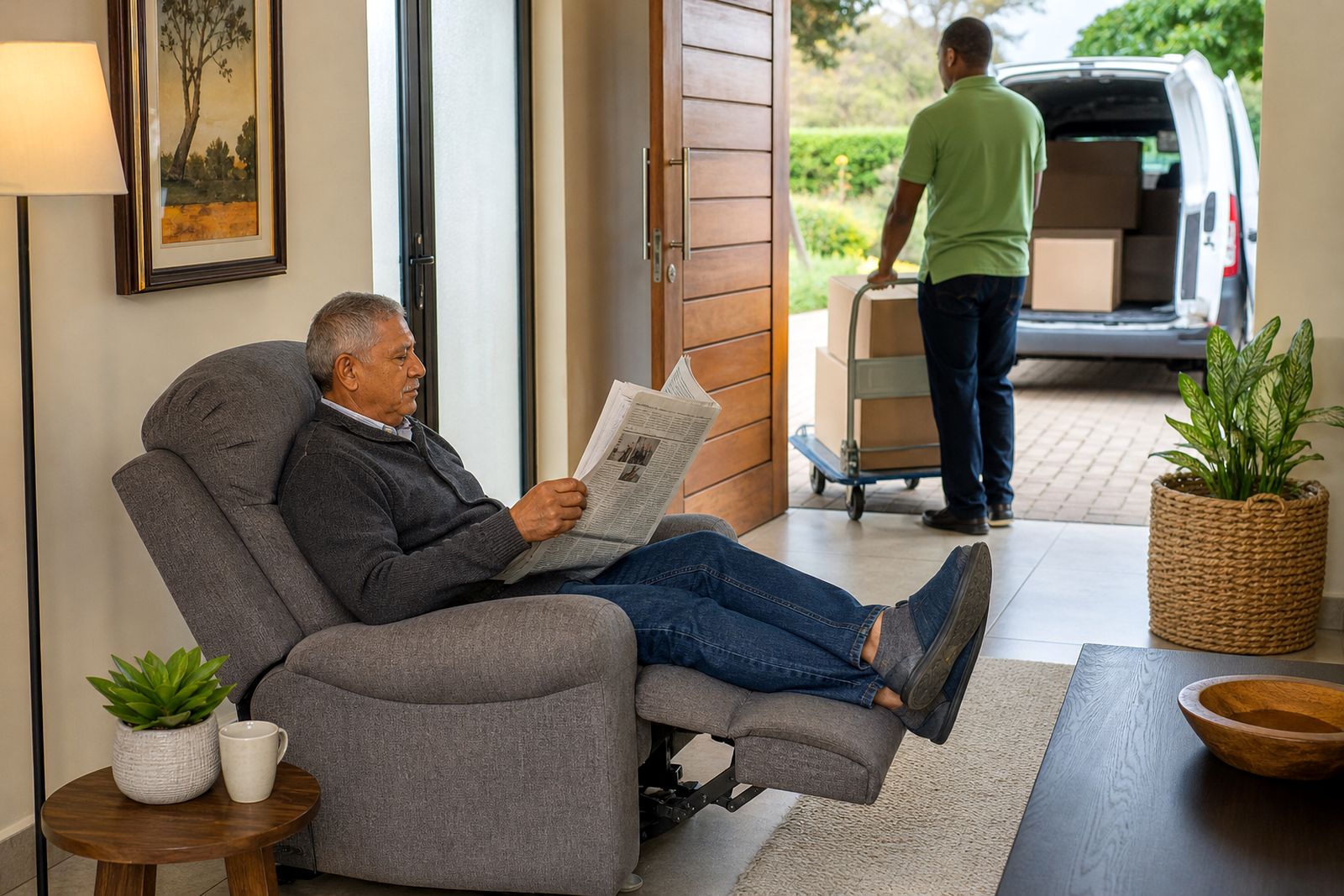
What these recliner chairs are for
A recliner chair gives the household a dedicated seat that can be used for long periods of sitting with adjustable back and leg support. In many homes this works better than using an ordinary lounge chair, especially where the person needs a stable position, clear space around the seat and a surface height that is easier to get in and out of.
We supply and deliver the chair as part of the room set-up for home dialysis households. We do not provide medical care, medical advice or treatment guidance, and we do not decide whether a specific chair position is suitable for a patient. Any treatment instructions must come from the patient’s own renal team.
These chairs are usually chosen where a home needs a more organised treatment corner, with space nearby for consumables, scales, a trolley or shelving. They are also useful where a household wants a seat that can be cleaned properly and kept separate from everyday lounge furniture.
Sizes, options and working limits
We can supply recliner chairs in practical household sizes, from compact models for smaller rooms to wider models where more seat width is needed. The right choice depends on the user’s seated width, transfer needs, the room available and how much clearance is needed when the chair reclines fully.
- Compact recliner: suited to tighter rooms and flats where passages and door openings are limited.
- Standard recliner: the most common choice for a spare room, enclosed patio room or dedicated treatment area.
- Wide-seat recliner: for households needing more seat width and arm spacing.
- Manual or assisted operation: depending on user preference and plug-point availability.
- Wipe-clean upholstery options: practical for regular cleaning in a treatment room.
Working limits matter. Every chair has a stated safe user weight, seat width and full-recline footprint. We will confirm those limits on the model quoted, rather than guessing from appearance. If the household is uncertain, tell us the user’s approximate seated size and we can guide you on which category to ask about.
In upstairs rooms or sectional-title units, it also helps to check turning space on landings and stair widths first, because a chair that fits the room may still be difficult to carry in.
Where a recliner suits, and where it does not
A recliner generally suits a room where the household wants one main sitting position kept clear and consistent. It works well in a spare bedroom, enclosed sunroom, study converted for treatment use, or a quiet corner of a larger living area where shelves and cartons can be arranged neatly nearby.
- Good for homes that need a stable, supportive seat for long sitting.
- Good where there is enough side access for the user and enough front clearance for the footrest.
- Good where floors are level and dry, with no rocking or sagging under load.
- Useful where the household wants a wipe-clean chair rather than fabric lounge seating.
It may not suit every home. A recliner is not ideal where the room is very narrow, where a low coffee table blocks the leg section, or where the only available floor is uneven. It can also be a poor fit in busy passage areas where people must squeeze past, or in damp spaces where upholstery and metal parts are exposed to ongoing moisture. In some Gauteng homes that back onto open gardens or have high summer humidity indoors, placement away from direct weather and open splash areas is best.
If the room doubles as everyday family traffic space, a compact model often works better, but in very tight layouts a fixed upright medical-style chair may be easier to place. We can help the household think through this before delivery.
Access, installation and site needs
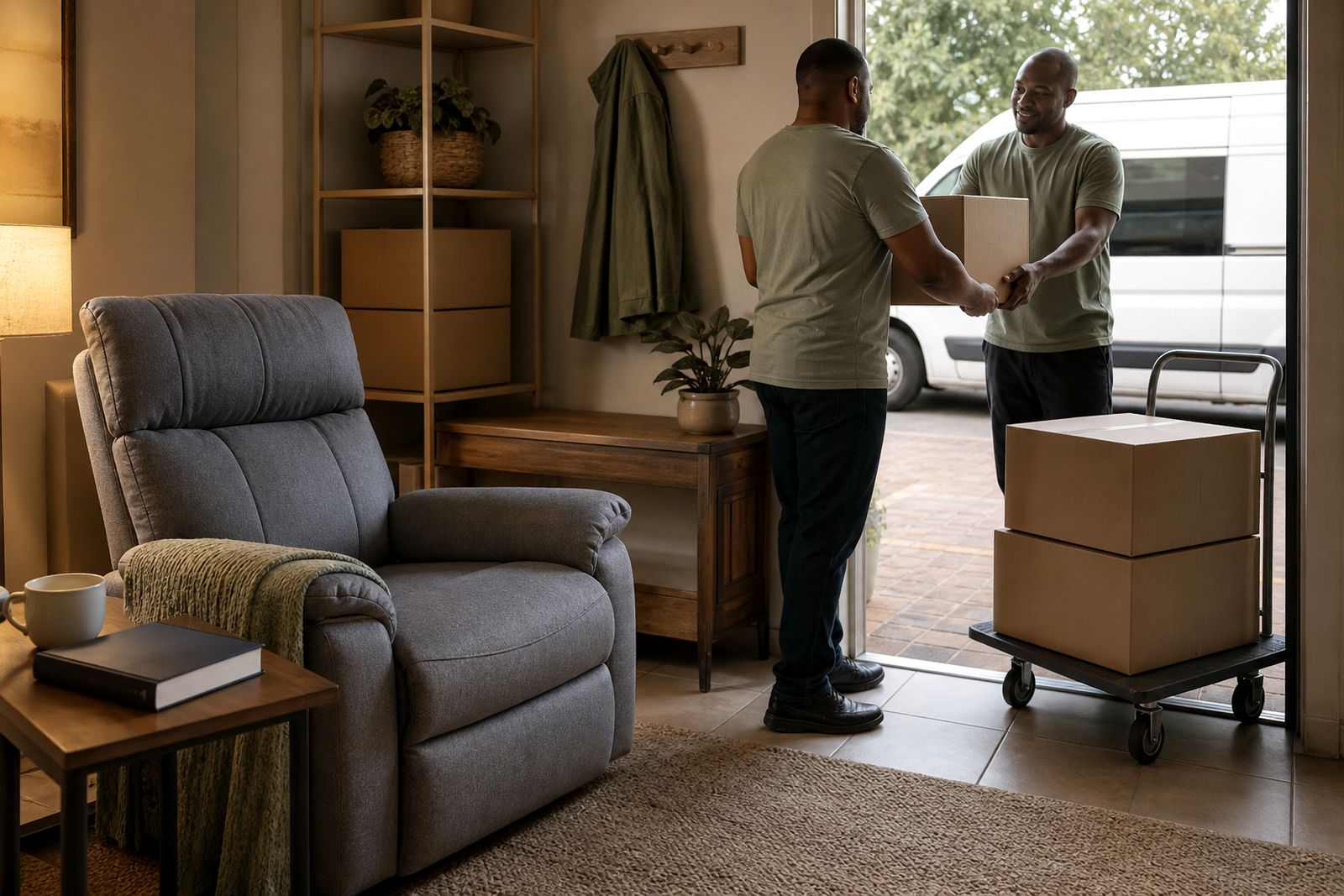
Before delivery, we need to know the practical access route from gate or parking area to the room where the chair will stand. This helps avoid surprises on delivery day and reduces the chance of damage to walls, gates or the chair itself.
- Door opening width at the entrance and at the room door.
- Passage width and any tight corners.
- Stairs, lifts or steep ramps.
- Floor finish such as tile, laminate, carpet or rough screed.
- Nearby plug point if an assisted recline option is required.
- Whether the chair will stand near shelving, cartons, trolleys or a side table.
The chair should stand on a level floor with enough clearance behind and in front for full movement. If the room is in a sectional-title complex or estate, please also check any delivery access rules with the body corporate or gate control in advance. Some sites have strict unloading times or basement height limits, and it helps to know this early.
We deliver and position the chair in the agreed room where access allows. We do not alter door frames, remove windows or carry out electrical work. If a chair must go into a very tight upstairs room, measure first, it saves a lot of trouble later.
Cleaning, care and everyday use
A recliner lasts better when it is kept clean, dry and free of strain on the moving parts. Wipe-clean upholstery is usually the easiest option for a treatment room because it can be cleaned quickly without trapping dust or household lint.
- Wipe surfaces with a soft damp cloth and a mild household cleaner suitable for the upholstery finish.
- Do not soak seams, switches or motor areas.
- Keep the chair out of direct rain, bathroom spray and strong afternoon sun.
- Do not let children swing on the leg section or crawl under moving parts.
- Check that cartons, trolleys and scales are not blocking the recline path.
Where homes deal with load-shedding, an assisted recliner should be left in a practical position before an outage if possible. Manual models can be simpler in areas where plug points are limited or where the chair may be moved later. For coastal trips or temporary use outside Gauteng we would still suggest indoor use only, as salt air and damp conditions can shorten the life of fittings and surfaces.
Routine care is straightforward and most households manage it easily, but the key is giving the chair enough room and not forcing any mechanism when something is in the way.
What to tell us when you enquire
When you contact us through the enquiry form on our contact page, a few clear details help us recommend the right chair size and delivery plan. You do not need to send medical information beyond what is necessary to explain the room and seating need.
- Your suburb and town in Gauteng.
- Ground floor or upstairs location.
- Door widths, passage widths and any stairs.
- Approximate room size in metres.
- Whether you want compact, standard or wide seating.
- Manual or assisted recline preference.
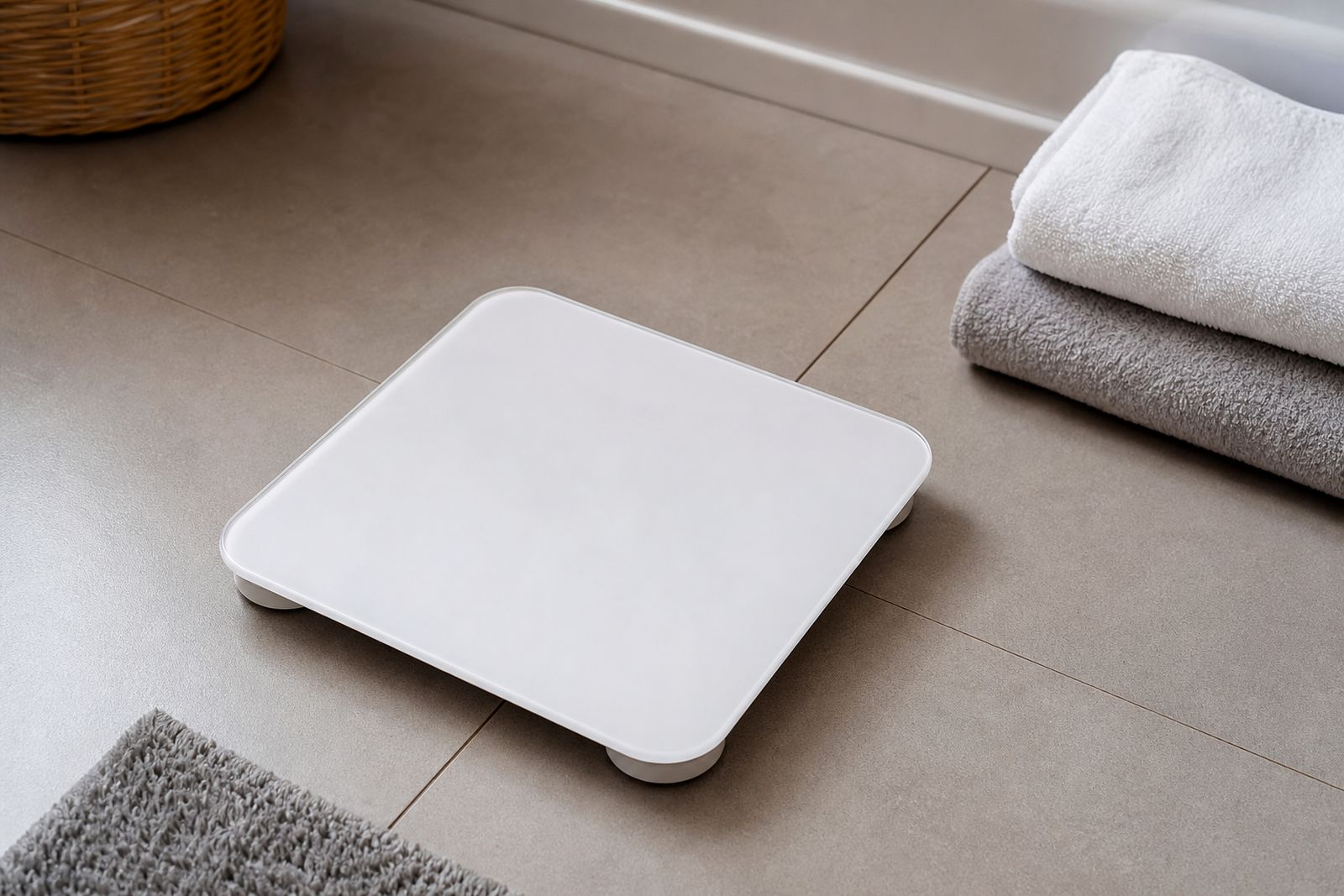
- Whether you also need shelving, a trolley, scales or a room set-up kit.
- Photos of the room and access route if available.
If your renal unit has already indicated the general set-up needed for the room, mention that as well. We will work from the household and delivery side only. That means practical supply, delivery and placement support, not treatment advice or training. A short room sketch can help too, even a simple hand-drawn one.
What our Home Dialysis Deliveries customers say
Verified Google reviews
Questions we get asked
Can you advise which chair position is best during treatment?
No. We supply and deliver the chair, but any guidance on treatment position, comfort during dialysis or medical suitability must come from the patient’s own renal team.
Do you assemble the chair in the room?
We deliver and position the chair where access allows. Final handling depends on the model and the access route, so it is important to share door widths, stairs and room photos when you enquire.
Can I order a recliner together with shelving and other room items?
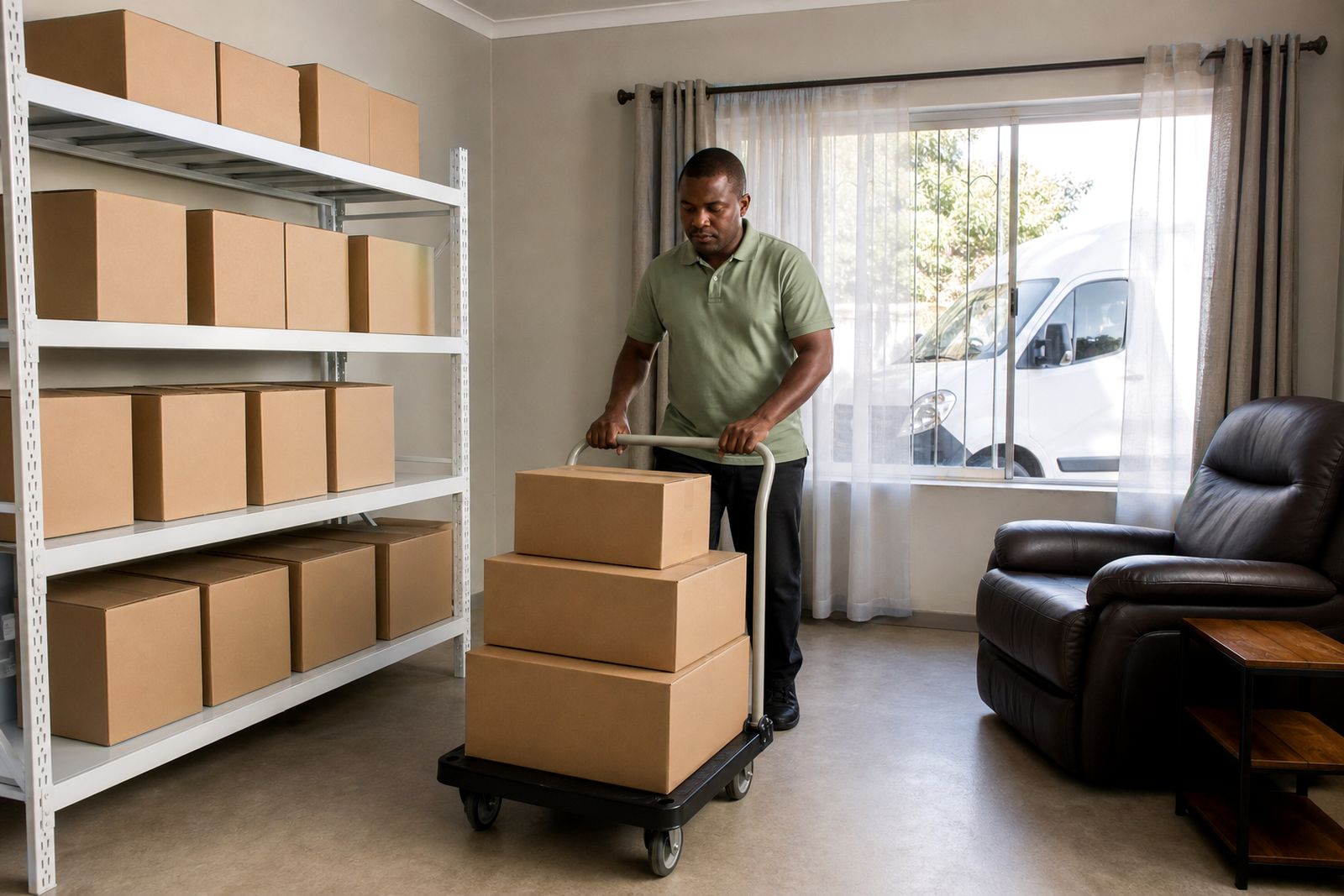
Yes. Many households order a recliner with shelving, scales, a trolley or a room set-up kit so the whole space works properly from the start.
Also worth a look

Set up your deliveries
Send a note through our contact form with your suburb and what you need for your home set-up, and we will explain how deliveries work with your renal unit.
Open the contact form